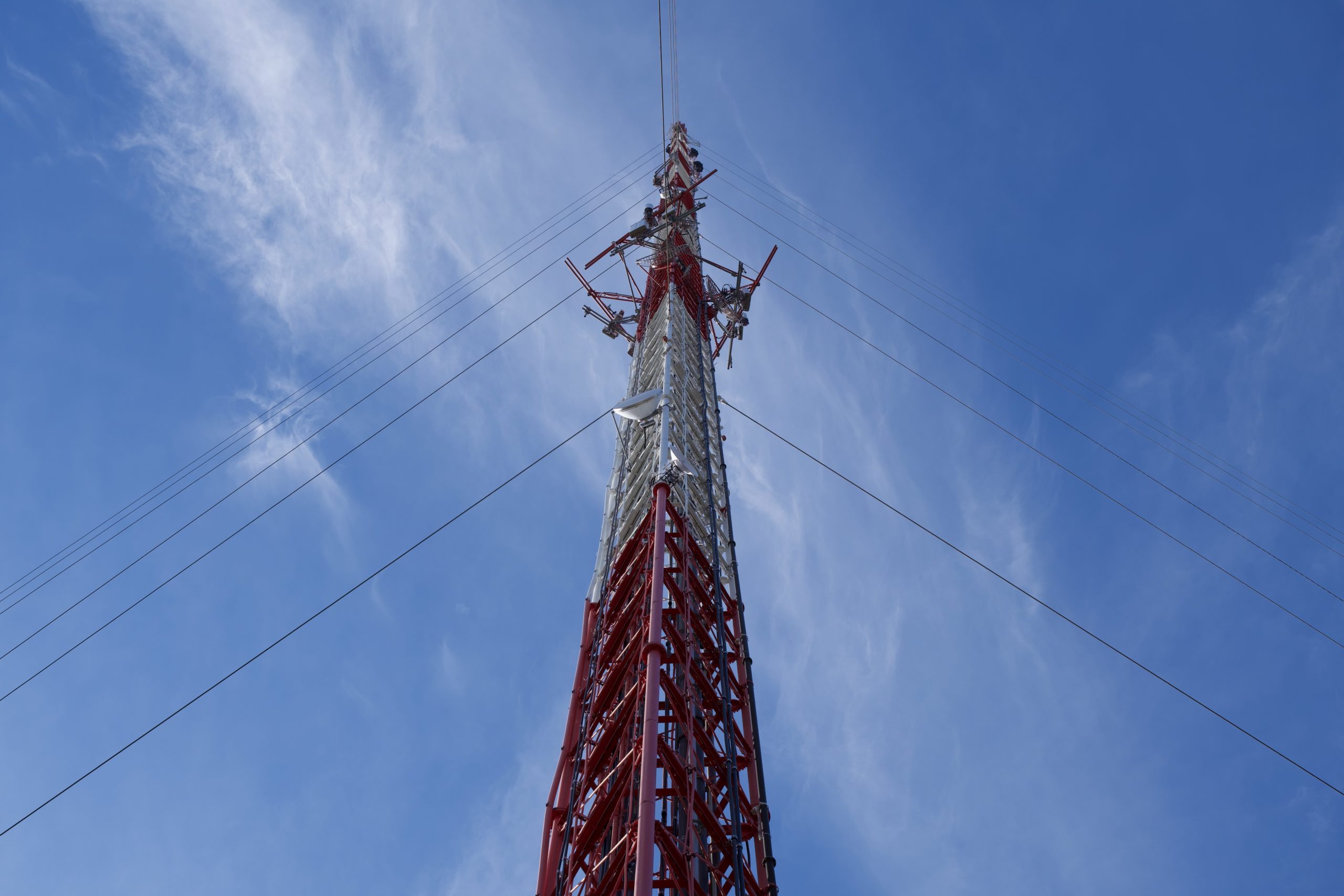
In a recent collaboration with Defence contractor Systems Planning and Analysis (SPA) Australia, ISG developed a Radio Frequency (RF) propagation tool that accounts for losses between transmitter and receiver caused by terrain, weather and atmospheric effects. It is to be used by SPA for optimising wireless network design by accurately predicting signal strength in complex environments.

ISG’s a RF propagation is part of a contribution to the Integrated Air and Missile Defence System. The objective of the project is to generate objective data and evidence-based recommendations to inform consideration of Air Defence acquisition options. This will ensure Defence acquire the optimum Air Defence solution in a dynamic threat landscape.
The easy-to-use tool now allows SPA to:
- Accurately simulate RF propagation between ground-based nodes.
- Simulate and understand the limitations of a proposed RF network
- Provide credibility and realism behind RF links, allowing operators to strategically design a wireless network composed of multiple RF technologies.
The techniques ISG used can be applied to design of any network where interference from weather, terrain or atmosphere is significant issue; allowing analysis and planning of wireless systems where environmental effects significantly influence signation propagation.
The modelling approach developed by ISG combines terrain elevation data, atmospheric conditions, and environmental attenuation models to estimate how radio signals degrade as they travel between transmitters and receivers. Factors such as hills, vegetation, urban structures, rain, fog and atmospheric absorption influence how far and how reliably a signal can travel. By incorporating these effects into a simulation framework, the tool enables engineers and operators to evaluate communication performance before deploying physical infrastructure.